
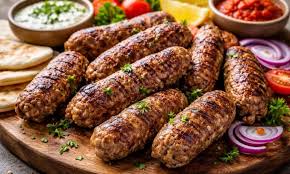
Street food doesn’t get more honest than levapioli. No elaborate sauces, no fancy plating — just seasoned minced meat, shaped by hand, grilled over high heat, and served the way it’s been served for centuries. This Balkan-rooted dish is earning serious attention among food lovers in 2026, and once you understand what makes it special, you’ll see exactly why. It’s not a trend. It’s a tradition that finally found its moment.
What Is Levapioli? The Grilled Meat Dish Explained
Levapioli is a minced meat dish rooted in Balkan culinary tradition, closely connected to the wider family of grilled sausage dishes including ćevapi and cevapčići. It is typically made using finely minced beef, lamb, or a mixture of both, seasoned with garlic, salt, pepper, and regional spices, then shaped by hand and cooked over high heat. The result is a dish with a charred outer crust and a juicy, tender interior — simple in ingredients, extraordinary in flavor.
Unlike traditional sausages, levapioli is completely caseless. It’s shaped entirely by hand and cooked directly on the grill surface — that direct contact with the heat is exactly what produces those flavorful browned edges that keep you reaching for the next one.
The Origin Story: Where Levapioli Comes From
Understanding levapioli means understanding where Balkan grilled meat culture actually comes from. The dish has deep historical roots tied to the Ottoman Empire. The word ćevap itself derives from the Persian word “kebab” — meat cooked over open fire. Ottoman rulers carried this culinary tradition into southeastern Europe during centuries of occupation, and local cooks gradually adapted it with regional spices, local meats, and their own techniques.
In Ottoman times, people made long meatballs from whatever cuts of meat were available and cooked them over open fire — the earliest version known as Leskovac Cevap. The practice spread quickly, becoming a staple in Belgrade by 1860. By the early twentieth century, this style of grilled meat had crossed Serbian borders entirely. It became popular across the broader Balkans and is today considered a national dish in Bosnia and Herzegovina, Romania, and Serbia. It also holds traditional status in North Macedonia, Croatia, Montenegro, Albania, Kosovo, Slovenia, and Bulgaria.
Levapioli draws directly from this same heritage — a modern name for a cooking style that has been feeding communities for over five hundred years.
Key Ingredients That Make Levapioli Work
The magic of levapioli isn’t in complexity. It’s in getting simple things exactly right. Every single ingredient earns its place.
| Ingredient | Role | Key Notes |
|---|---|---|
| Ground beef | Structure and base flavor | 80/20 fat ratio is ideal — too lean means dry |
| Ground lamb | Depth, moisture, authentic taste | 60% beef to 40% lamb gives the most balanced result |
| Garlic | Signature savory aroma | Fresh minced only — powdered garlic doesn’t deliver |
| Sweet paprika | Warmth and color | Not spicy — rounds out the richness of the meat |
| Salt and black pepper | Core seasoning | Simple, essential, non-negotiable |
| Baking soda | Texture and tenderness | Emulsifies the mixture, gives the springy interior texture |
| Cold sparkling water | Lightness | Creates a slightly airy, tender interior |
| Fresh parsley | Optional brightness | Adds color and freshness without overpowering |
How to Make Levapioli: The Authentic Step-by-Step Method
This is where most articles completely fall short. Here’s the actual process that produces real, repeatable results every time.
Step 1 — Prepare the meat mixture
Combine ground beef and lamb in a large bowl. Add freshly minced garlic, sweet paprika, salt, black pepper, and baking soda. Mix cold sparkling water separately until the baking soda partially dissolves, then add it to the meat. Mix everything together just until fully incorporated. Overmixing leads to a dense, tough texture — stop as soon as it comes together.
Step 2 — Rest the mixture (non-negotiable)
Cover the bowl and refrigerate for a minimum of two hours. Overnight is strongly preferred. The extended rest allows flavors to meld deeply and lets the baking soda fully tenderize the proteins. Skip this step and you’ll taste the difference immediately — the seasoning stays surface-level instead of penetrating the meat.
Step 3 — Shape by hand
Portion roughly two tablespoons of meat per piece and roll into 3-inch logs between your palms. They should hold their shape without crumbling. If they fall apart, the mixture needs more kneading. A useful trick: lay a piece of plastic wrap flat, place a portion of meat along the center, fold the plastic over it, and use the flat edge of a spatula to press and roll into an even cylinder. Fast, clean, and consistent.
Step 4 — Grill with intention
Preheat your grill to 400°F before anything touches it. Cook over direct heat for 2–3 minutes per side until a crust forms and the pieces release cleanly from the grill. Move to indirect heat and finish until the internal temperature reaches 155°F. Cover with foil and rest for five minutes before serving — the carryover heat brings the meat to the USDA-safe 160°F while keeping the juices locked in.
The most common mistake:
If levapioli sticks and falls apart on the grill, one of three things went wrong — the mixture didn’t rest long enough, the grill wasn’t fully preheated, or the pieces were flipped too early. Let a proper crust form. Once they release easily on their own, they’re ready to turn. Forcing them early is how they break.
What Does Levapioli Actually Taste Like?
The outer layer is slightly charred and firm, carrying deep smoky, savory notes from direct grill contact. Bite through and the inside is juicy, tender, and aromatic — garlic and paprika weaving through the richness of the beef-lamb blend. There’s a springiness to the texture that you don’t get in regular burgers or sausages — that’s the baking soda doing its job.
Pair it with raw onions and the contrast is electric. The sharpness cuts right through the fat of the meat, balancing every bite. Add ajvar — roasted red pepper and eggplant spread — and you have something that genuinely stops conversation at the table.
Traditional and Modern Serving Styles
Levapioli is traditionally grilled over charcoal and served in groups of five to ten with lepinja or somun flatbread and generous amounts of chopped raw onions. Across the Balkans, vendors and home cooks alike add classic accompaniments that have stayed consistent for generations.
Traditional Balkan accompaniments:
- Ajvar — roasted red pepper and eggplant relish, smoky and slightly tangy
- Kajmak — a rich, creamy dairy product similar to clotted cream
- Chopped raw onions — always, non-negotiable in traditional serving
- Lepinja flatbread — warm, soft, and perfect for soaking up the juices
- Shopska salad — fresh tomato, cucumber, and white cheese
Modern serving variations that work:
- Stuffed into warm pita with ajvar, cucumber, and garlic sauce
- Served over seasoned rice with grilled vegetables and yogurt dressing
- Street food sliders — three mini levapioli in a soft roll with caramelized onions
- BBQ feast centerpiece alongside potato bake and cold drinks
- Low-carb bowls with roasted peppers, olives, and herb-seasoned greens
The dish holds its identity in every format. Dress it up or keep it bare — the flavor does the work regardless.
Nutritional Value: Is Levapioli Healthy?
Per 100g serving of traditional beef-lamb levapioli, grilled:
| Nutrient | Approximate Value |
|---|---|
| Calories | 250–280 kcal |
| Protein | 22–26g |
| Total Fat | 16–20g |
| Saturated Fat | 7–9g |
| Carbohydrates | ~1g |
| Iron | ~3mg (17% Daily Value) |
| Vitamin B12 | ~2.4mcg (100% Daily Value) |
| Sodium | 400–500mg |
Storage and Make-Ahead Tips
One of levapioli’s practical advantages is that it stores and freezes exceptionally well.
- Refrigerator: Store cooked levapioli in a sealed container or wrapped tightly in foil — keeps fresh for up to three days
- Freezer — raw: Shape the uncooked levapioli, place on a baking sheet, freeze until firm, then transfer to a freezer bag with parchment paper between each piece — stores for up to three months and can be grilled directly from frozen
- Freezer — cooked: Allow to cool completely, freeze in a sealed bag, and reheat on the grill or in the oven when ready
- Reheating: Grill, pan-fry in a little oil, or use an air fryer from frozen — avoid the microwave entirely, it destroys the texture
The make-ahead quality makes levapioli genuinely practical for meal prep, batch cooking, and large gatherings.
Why Levapioli Is Trending in 2026
This isn’t random. The rising global interest in levapioli reflects a broader shift in food culture — toward authentic traditional dishes, high-protein meals, and recipes that prioritize flavor over complexity. Food lovers in 2026 are actively moving away from over-engineered fusion food and back toward dishes with real cultural roots and honest ingredients.
Several forces are driving this specific dish into the spotlight. Social media food content has dramatically increased visibility for Balkan cuisine. High-protein diet culture has made minced meat dishes attractive to a whole new audience. And travel — both physical and digital — has introduced millions of people to the cevapi family of foods for the first time.
Levapioli-style dishes have always been the great equalizer of Balkan society. Presidents and taxi drivers eat at the same counters. Students and professors share the same plastic tables. The act of sitting down with a plate of hot grilled meat, a pile of raw onions, and a cold drink crosses every social boundary. That kind of food doesn’t go out of style. It just waits for the rest of the world to catch up.
FAQ
What is the difference between levapioli and cevapi?
They come from the same culinary family. Cevapi (or ćevapčići) is the established traditional Balkan term. Levapioli is a modern variant name used across food content platforms for essentially the same style of grilled, caseless minced meat dish.
What meat is best for levapioli?
A 60/40 beef-to-lamb blend delivers the most authentic, balanced flavor. All-beef works well for a milder result. Never use very lean mince — fat keeps the meat juicy and helps it hold its shape on the grill.
Why does my levapioli fall apart on the grill?
Either the mixture wasn’t kneaded enough, it didn’t rest long enough in the refrigerator, or the grill surface wasn’t hot enough before the meat went on. All three issues are completely fixable.
Can I make levapioli without a charcoal grill?
Absolutely. A cast-iron skillet or heavy grill pan on high heat produces excellent results. Charcoal adds unmistakable smoky depth, but it’s not essential for a genuinely delicious outcome.
How long does levapioli take to cook?
Roughly 8 to 12 minutes total — 2 to 3 minutes per side over direct heat, a few minutes on indirect heat to finish, plus five minutes resting under foil before serving.
Is levapioli gluten-free?
The base recipe is naturally gluten-free. Always check your spice blends and any accompaniments like bread or sauces if dietary restrictions apply.
