
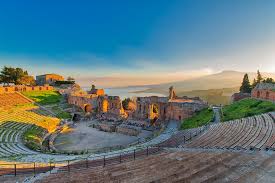
Tucked away where ancient rivers meet centuries of living tradition, Anheihe is one of those rare destinations that surprises you at every turn. Its very name carries weight — the prefix “An” rooted in the Chinese concept of peace and tranquility, while “hei” speaks to water and flowing rivers — painting an image of a place defined by calm, depth, and natural grace. Travelers who discover Anheihe rarely describe it in simple terms, because this destination refuses to be simple. It holds stories in its stone walls, aromas in its street stalls, and wisdom in the faces of its elders.
What draws people to Anheihe is not just scenic beauty or culinary curiosity — it is the rare sensation of stepping into a place that has refused to forget who it is. Amid shifting global trends and the relentless march of modernization, Anheihe maintains an identity shaped by dynasties, folklore, agricultural heritage, and deep community bonds. Understanding Anheihe means understanding how a destination can grow and adapt without losing the soul that makes it worth visiting in the first place.
What Is Anheihe?
Anheihe is an enigmatic destination with roots that stretch deep into East Asian cultural and geographical history. The name itself is believed to derive from ancient descriptive terms tied directly to the land: “An” meaning peace or tranquility, and “hei” referencing water or a river. Together, they evoke an image of serene riverbanks and harmonious landscapes — a fitting description for a town whose identity has always been shaped by its relationship with the natural world.
Beyond geography, however, Anheihe operates as something far more layered. It is a cultural crossroads, a living museum, a culinary experience, and a philosophical symbol all at once. Key characteristics that define Anheihe include:
- A name rooted in natural harmony, reflecting both landscape and philosophy
- Centuries of trading history that shaped its multicultural character
- Rich agricultural traditions embedded in everyday life and seasonal festivals
- A vibrant mythology woven through its landmarks and community practices
- A balance of old and new, where modern infrastructure coexists with ancestral customs
- Cuisine and craftsmanship passed through generations as living cultural inheritance
The Vision Behind Anheihe
Every great destination is shaped by the values of the people who built it, and Anheihe is no exception. The guiding idea behind this town — whether expressed in its architecture, its seasonal festivals, or its culinary traditions — is the principle of harmony between opposing forces. Much like the philosophical concept of Yin and Yang, Anheihe has always embraced the coexistence of contrast: stillness and movement, the ancient and the contemporary, nature and human ambition.
This vision matters because it governs how the community engages with change. Rather than abandoning its heritage in the face of modern development, Anheihe has consistently integrated new influences while protecting what came before. That balancing act — visible in everything from the architecture of its streets to the ingredients in its local dishes — is what gives this destination its distinctive energy. Visitors do not arrive to witness a preserved relic of the past; they arrive to experience a culture that is still actively living its values.
Key Features of Anheihe
A Name That Carries Meaning
Few destinations can claim that their very name functions as a philosophy, but Anheihe can. The linguistic construction of the word — drawing from concepts of peace, water, and harmony — reflects how deeply the natural world influenced the people who first settled here. Locals frequently share stories about the name as a cultural inheritance, explaining that it represents not just a geographical location but a way of living that prioritizes balance over excess and connection over competition. This relationship with language and meaning gives Anheihe an intellectual dimension that enriches any visit.
Centuries of Trade and Cultural Exchange
Anheihe’s position as a pivotal trading post in earlier centuries was no accident. Its strategic location made it a natural gathering point for merchants, travelers, and cultural ambassadors from across the region. This heritage of exchange left a lasting imprint. The diversity visible in Anheihe’s food, architecture, and artistic traditions today reflects generations of cross-cultural dialogue. When the railways arrived in the late 19th century and connected Anheihe to larger urban centers, the town did not lose its character — it layered new influences over an already rich cultural foundation.
Living Traditions and Seasonal Celebrations
One of Anheihe’s most compelling features is that its cultural traditions are not performances for tourists — they are living practices embedded in community life. The Lantern Festival, for example, fills streets with intricately designed lanterns while families gather to share tangyuan, the sweet rice balls traditionally associated with togetherness. Tea ceremonies here are conducted with genuine mindfulness and care, not as theatrical display but as a daily ritual of connection. Folk songs echo through valleys during village gatherings, telling stories of love, nature, and perseverance that have been passed down orally across generations.
Mythology and Landscape
Anheihe’s myths and legends are inseparable from its physical landscape. Stories speak of hidden valleys shrouded in mist, guarded by ancient spirits who protect sacred treasures. Locals describe the evening fog that rolls down from surrounding mountains as the breath of ancestral spirits returning to guide their descendants — a belief that adds an otherworldly dimension to an already striking natural setting. These narratives are not dismissed as superstition; they are respected as cultural memory, encoded with ecological wisdom about living in respect with the natural world.
Benefits of Anheihe
An Immersive Cultural Education
Visiting Anheihe is, at its core, an education that no classroom can replicate. Travelers who spend time here gain direct exposure to millennia of philosophical thought made tangible — in the layout of its streets, in the way meals are shared communally, in the rhythms of its festivals. This immersive quality makes Anheihe particularly valuable for those seeking meaningful travel rather than passive tourism. Every landmark, every dish, and every conversation becomes a window into a worldview shaped by history, hardship, and a profound commitment to balance.
A Culinary Journey Through Time
Anheihe’s local cuisine is a living archive of its cultural history. Street food stalls offer savory dumplings and sweet rice cakes prepared using techniques refined over centuries. The spiced lamb skewers, marinated with locally sourced herbs and grilled with practiced skill, represent a flavor tradition that predates modern gastronomy by generations. Honey-glazed pastries filled with nuts capture the local approach to sweetness — layered, nuanced, and deeply satisfying. Beyond individual dishes, the communal spirit of dining in Anheihe — meals shared among families and friends as an act of hospitality ingrained in culture — is itself a benefit that visitors carry home long after the flavors have faded.
Architectural and Artistic Richness
Anheihe’s built environment rewards careful attention. The ancient city wall, still standing as a testament to the community’s resilience and engineering ingenuity, offers panoramic views of both the historic town and its modern extensions. The Dragon Temple draws visitors with its intricate carvings and the sense of spiritual continuity it preserves. Contemporary art galleries showcase local talent alongside traditional crafts, creating a dialogue between past and present that reflects Anheihe’s broader approach to identity. Artisans working in pottery and textiles maintain techniques passed down across generations, ensuring that every piece produced carries genuine cultural weight.
Meaningful Community Connection
Travel can often feel transactional — but Anheihe consistently resists that dynamic. The community here has maintained a culture where social bonds are treated as sacred infrastructure. Festivals are not organized for external audiences; they are celebrated because the community genuinely values continuity. Visitors who approach with openness and respect find themselves welcomed into experiences that feel authentic precisely because they were not designed for consumption. That rare quality — the sense that you are a guest in a living culture rather than a spectator in a curated show — is one of Anheihe’s most valuable offerings.
Anheihe vs Traditional Tourist Destinations
The difference between Anheihe and a conventionally marketed tourist destination becomes apparent quickly. Most heavily commercialized travel destinations operate on the logic of consumption — visitors arrive, spend, consume a pre-packaged experience, and depart. The destination itself is largely unchanged by the interaction, and the traveler is left with photographs but little genuine understanding.
Anheihe operates on a different principle. Because its cultural traditions are living rather than staged, the experience of visiting is inherently reciprocal. Travelers are not passive consumers; they are participants, even if briefly, in a community that has been practicing its values for centuries. The Lantern Festival does not require a visitor to make it meaningful — it is meaningful because it matters to the people who celebrate it, and visitors are invited to share in that meaning rather than observe it from a distance.
Compared to destinations built primarily around visual spectacle or luxury accommodation, Anheihe offers something harder to commodify: depth. Its landmarks carry genuine historical significance. Its cuisine reflects real agricultural heritage. Its mythology encodes ecological wisdom. Travelers seeking authenticity over aesthetics will find that Anheihe consistently delivers what heavily branded destinations promise but rarely provide.
How Travelers Adapt to Anheihe
Adapting to Anheihe requires a willingness to slow down. The town rewards curiosity over efficiency — the traveler who lingers over a tea ceremony learns more than the one rushing between landmarks. Practically speaking, visitors benefit from learning a handful of phrases in the local language before arrival, not because English is unavailable but because the gesture of linguistic respect opens doors that would otherwise remain politely closed.
Timing matters significantly. Planning a visit around one of Anheihe’s seasonal festivals — particularly the Lantern Festival — transforms a pleasant trip into an unforgettable one. The quality of cultural immersion during these periods is unmatched. Dress should be comfortable and practical; Anheihe rewards walking, and its terrain — from riverwalks to the pathways near the ancient city wall — is best experienced on foot. Travelers are also advised to embrace spontaneity. Some of the most rewarding experiences in Anheihe emerge from unplanned conversations, unexpected alleyways, and the quiet generosity of locals who take genuine pleasure in sharing their home with respectful visitors.
Challenges to Consider
No destination is without its complications, and honesty about Anheihe’s challenges serves travelers better than uncritical enthusiasm. The town’s growing visibility as a travel destination brings real pressure to its cultural ecosystem. As more visitors arrive, the risk of commodification increases — the same festivals and traditions that make Anheihe compelling can, if mismanaged, be gradually hollowed out by the commercial logic of mass tourism.
Infrastructure, while improving steadily, may still feel limited compared to large urban tourist centers. Travelers accustomed to seamless logistics and abundant English-language signage may find Anheihe’s more organic systems initially disorienting. The language barrier, while navigable, does require patience and preparation. Additionally, the town’s agricultural and festival calendar governs much of its cultural life, meaning that certain experiences are genuinely seasonal — visiting outside of peak cultural periods may mean missing the traditions that make the destination most compelling.
There is also the broader challenge of balancing preservation with development. Modern infrastructure projects, while necessary for community well-being and economic growth, must be managed carefully to avoid eroding the architectural and cultural character that draws visitors in the first place. This is an ongoing tension that Anheihe, like many historically significant destinations, is actively navigating.
The Future of Anheihe
The trajectory of Anheihe points toward a destination that will become increasingly significant — both as a cultural heritage site and as a model for sustainable community development. Efforts are already underway to ensure that tourism in the region respects the delicate balance of local environment and tradition. Cultural preservation programs and education initiatives are actively working to protect Anheihe’s intangible heritage — its folk songs, oral histories, ceremonial practices, and craft traditions — alongside its physical landmarks.
The rise of eco-tourism offers Anheihe a particularly well-suited growth model. As travelers globally shift their preferences toward meaningful, low-impact experiences, destinations like Anheihe that can offer authentic cultural depth alongside natural beauty are exceptionally well positioned. The town’s proximity to striking natural landscapes, combined with its rich community traditions, makes it a natural candidate for the growing segment of travelers who measure a journey’s value in understanding gained rather than attractions checked.
Technology will play a measured role in Anheihe’s future — improving accessibility and connectivity without replacing the analog, human-centered experiences that define the destination. The key challenge, and the key opportunity, is ensuring that modernization serves the community rather than transforming it into a product for external consumption.
Conclusion
Anheihe is the kind of destination that stays with you long after you leave — not because of a single spectacular moment but because of the accumulated weight of genuine cultural encounter. From the philosophical depth encoded in its very name to the communal warmth of its festival traditions, from the flavors of its street food to the quiet power of its myths and landscapes, Anheihe offers something that is increasingly rare in contemporary travel: authenticity rooted in continuity.
For travelers willing to approach it on its own terms — patiently, curiously, and with genuine respect for the community that calls it home — this enigmatic destination delivers experiences that no curated tourist package can manufacture. Anheihe does not need to compete with louder, more heavily marketed destinations. It simply needs to remain what it has always been: a place defined by harmony, history, and the enduring conviction that balance is the foundation of a life well lived.
