
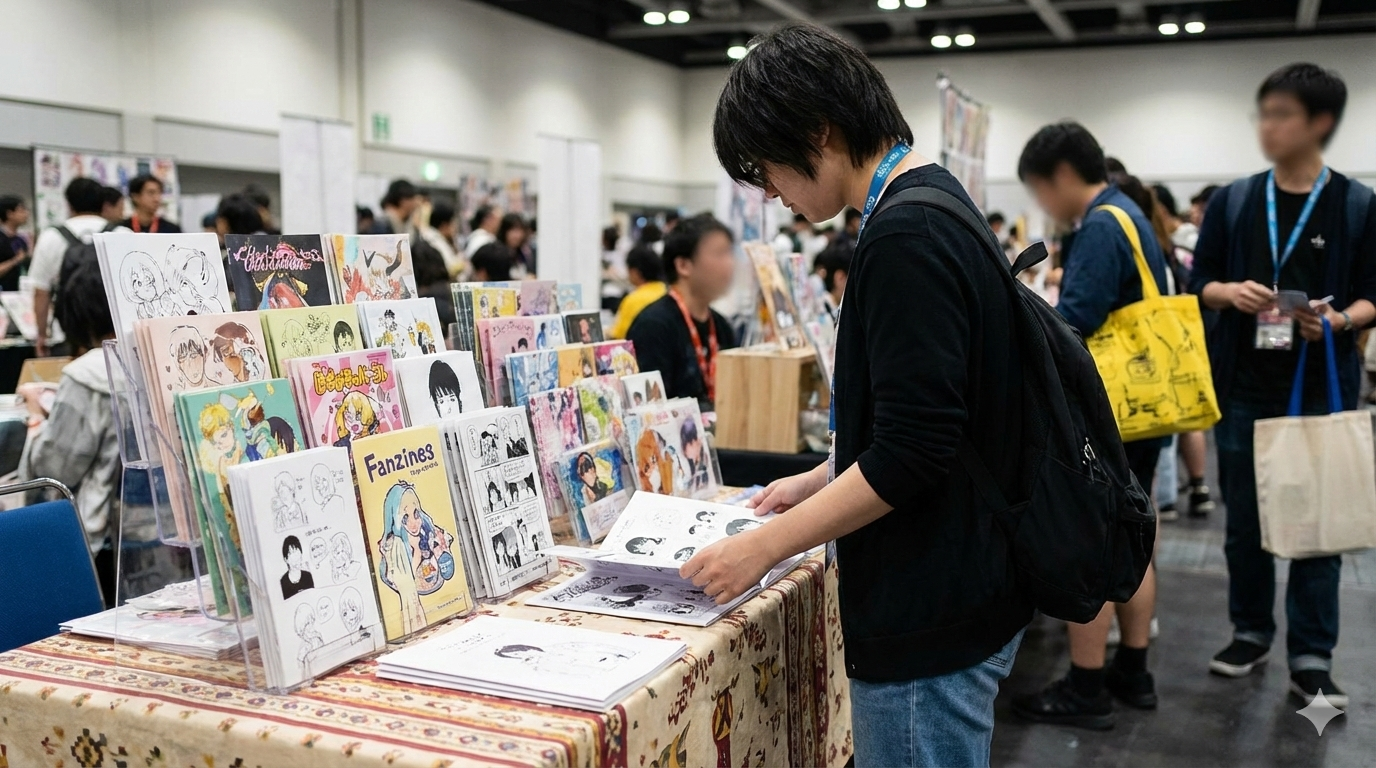
Doujen Moe is one of the most talked-about terms emerging from the world of anime, manga, and independent digital art in recent years. It represents a powerful creative movement that brings together two deeply rooted ideas from Japanese fan culture — the tradition of self-published independent artwork and the emotional warmth of the moe aesthetic. Far from being just a niche online trend, it has developed into a genuinely global community of artists, storytellers, and fans who share a commitment to emotionally driven, heartfelt creative expression. What started in the underground circles of Japanese fandom has steadily grown into a worldwide conversation about what art can feel like when it is made purely out of love and passion rather than commercial pressure.
What makes Doujen Moe particularly fascinating is how it has crossed language barriers, cultural boundaries, and skill levels to become something that anyone with a genuine creative impulse can participate in. It does not belong to any single platform, publisher, or institution. It belongs to the community that breathes life into it — and that community continues to expand with each passing year. Whether you are an experienced digital illustrator, a casual fan of anime aesthetics, or someone who simply responds to art that feels warm and emotionally sincere, there is a place for you within this growing movement.
Quick Overview of Doujen Moe
| Feature | Details |
|---|---|
| Full Term | Doujen Moe (also written as Doujin Moe) |
| Origin | Japan — rooted in doujinshi and moe fan culture |
| Meaning | Fan-created independent works emphasizing emotional warmth and character affection |
| Core Aesthetic | Cute, expressive, emotionally engaging characters and storytelling |
| Primary Communities | Pixiv, BOOTH, Reddit, Twitter/X, Comiket |
| Content Types | Manga, illustrations, short comics, digital art, fan fiction |
| Audience | Global — anime fans, digital artists, independent creators |
| Key Events | Comiket (Tokyo), online fan conventions, digital art showcases |
| Tone | Gentle, sincere, nostalgic, emotionally driven |
| Accessibility | Open to all skill levels — no formal training required |
Understanding the Meaning Behind the Name
To fully appreciate what Doujen Moe represents, it helps to look at the two words that form it. The first part — doujen, derived from the Japanese word doujin — refers to self-published or independently created works produced outside the mainstream commercial publishing system. These are works made by fans, for fans, driven entirely by creative passion rather than financial incentive or corporate approval. The doujinshi tradition that gave birth to this idea has been a cornerstone of Japanese fan culture since at least the 1970s, providing independent creators with a space to share their stories and art on their own terms.
The second part of the term — moe — carries equal weight. In Japanese fandom, moe describes a powerful emotional response to fictional characters, particularly those who possess qualities associated with innocence, charm, vulnerability, or nostalgic tenderness. It is not simply a visual aesthetic, though the visual dimension is certainly present. Moe is fundamentally about emotional connection — the feeling of warmth, protectiveness, or deep affection that a well-crafted character can inspire in an audience. When these two concepts are combined, the result is a creative philosophy that prioritizes emotional sincerity above all else.
The Historical Roots of Doujen Moe Culture
The story of Doujen Moe begins in post-war Japan, where a growing generation of manga and animation enthusiasts began creating their own stories alongside and inspired by the official works they loved. By the 1970s, this impulse had found its most important institutional home in Comiket — the Comic Market held in Tokyo — which became and remains the world’s largest self-publishing convention. At Comiket, thousands of independent creators could sell their work directly to fellow fans without the involvement of publishers, editors, or commercial gatekeepers.
As anime culture expanded globally through the 1990s and into the 2000s, the doujinshi tradition traveled with it. Simultaneously, moe aesthetics were becoming an increasingly central part of how anime characters were designed and how fans emotionally engaged with them. The two streams gradually merged, producing the distinct sensibility that now carries the name Doujen Moe. The digital revolution accelerated this process dramatically — platforms like Pixiv gave independent artists a global audience overnight, and the emotional warmth of moe character design found millions of new admirers far beyond Japan’s borders.
Key Characteristics of Doujen Moe Content
| Characteristic | Description |
|---|---|
| Visual Style | Bright colors, large expressive eyes, soft and rounded character designs |
| Emotional Tone | Warm, gentle, nostalgic, sincere — focused on how content feels |
| Storytelling Themes | Friendship, everyday moments, personal growth, quiet emotional connection |
| Character Design | Expressive archetypes — shy, brave, curious — with unique emotional identities |
| Creative Format | Short manga, single illustrations, fan comics, digital art series |
| Artistic Approach | Emphasizes emotional resonance over technical perfection |
| Community Values | Inclusivity, shared passion, direct creator-to-fan connection |
The visual language of this creative style is immediately recognizable. Characters are typically drawn with large, expressive eyes that communicate emotion directly and unmistakably. Color palettes lean toward soft, warm, and inviting tones. Body proportions are often stylized rather than realistic, emphasizing the qualities of charm and approachability rather than dramatic physical presence. The overall effect is an aesthetic that feels deliberately welcoming — designed to make the viewer feel comfortable, moved, and emotionally at home.
Beyond the visual dimension, the storytelling within this tradition tends to focus on the quieter, more intimate moments of character experience. Rather than grand dramatic arcs or high-stakes action, the narratives most characteristic of this aesthetic explore themes like friendship forming over small shared moments, personal growth through gentle challenge, and the kind of everyday emotional texture that mainstream commercial stories often overlook. This focus on small, sincere emotional truths is precisely what gives the movement its broad and enduring appeal.
Why Doujen Moe Is Growing in Popularity
The growth of Doujen Moe as a global creative movement can be attributed to several interconnected factors that align particularly well with the cultural moment we are currently living through. In a digital landscape increasingly dominated by algorithmically optimized content, mass-produced entertainment, and heavily commercialized art, there is a growing audience hunger for work that feels genuine, personal, and emotionally direct. This style of creative expression answers that hunger in a way that few mainstream alternatives can match.
Accessibility has also played a significant role in its expansion. Digital art tools have lowered the technical and financial barriers to creation dramatically. Anyone with a tablet, a piece of software, and a genuine creative impulse can participate in this community and find an audience for their work. The emphasis within the community on emotional sincerity over technical polish further lowers the threshold — what matters most is whether a work makes someone feel something, not whether it demonstrates flawless draftsmanship.
Social media platforms and online fan communities have provided the infrastructure for this growth, connecting creators and audiences across language barriers with remarkable efficiency. A fan illustrator in Brazil can share work with admirers in South Korea, the United Kingdom, and the United States within minutes of posting. This global connectivity has transformed what was once a primarily Japanese subculture into a genuinely international creative movement with a shared aesthetic language that transcends its origins.
Where to Find and Engage With Doujen Moe Content
For anyone looking to explore or participate in this creative community, several platforms serve as the most active gathering points in 2026. Pixiv remains the largest and most established of these — a Japanese-founded art-sharing platform that hosts millions of independent creators and an enormous archive of work spanning every style and theme within the broader doujin tradition. Connected to Pixiv is BOOTH, a digital marketplace where creators can sell their work directly to buyers without intermediaries, maintaining the grassroots economic model that has always been central to doujinshi culture.
Beyond these dedicated platforms, communities thrive across Reddit, Twitter/X, and Discord, where fans and creators discuss ongoing projects, share recommendations, provide feedback on works in progress, and organize around shared interests within the broader aesthetic. Physical events, most notably Comiket in Tokyo, continue to provide irreplaceable spaces for direct human connection within these communities, where the experience of browsing independently produced work in person carries a warmth and intimacy that digital browsing cannot fully replicate.
Doujen Moe and Its Influence on Professional Animation
One of the most telling indicators of how significant this creative tradition has become is the extent to which it has influenced professional anime production. Many of the illustrators, character designers, and animators working in Japan’s mainstream industry today began their creative journeys producing independent doujin work. The aesthetic sensibilities they developed in that space — soft palettes, emotionally expressive character design, slice-of-life emotional focus — have traveled directly into professional productions that now reach global audiences.
Shows like Non Non Biyori, Yuru Camp, and K-On! carry unmistakable traces of the moe aesthetic philosophy, prioritizing how a story feels over what happens in plot terms. The emotional warmth, gentle pacing, and deep character affection that define these productions reflect values that were nurtured and refined within the independent creative community long before they found their way into professional studios. This cross-pollination between grassroots fan culture and commercial production is one of the most distinctive features of the Japanese animation industry, and it continues to shape the medium in ways that audiences around the world respond to deeply.
Conclusion
Doujen Moe is far more than a trending term or a niche internet aesthetic. It is a living creative philosophy that connects thousands of independent artists and millions of fans through a shared commitment to emotional sincerity, artistic freedom, and the genuine human need for art that feels warm and personally meaningful. Its roots run deep into decades of Japanese fan culture, and its branches now extend across every continent, carried by the universal emotional themes that define it — innocence, tenderness, friendship, and the quiet power of stories told with genuine care.
For creators, it represents a community that values authentic expression above commercial success, technical polish, or institutional approval. For audiences, it offers a consistent source of art and storytelling that prioritizes how it makes you feel over how impressive it looks. As digital tools continue to make creative participation easier and global communities continue to grow more interconnected, the movement shows every sign of continuing to expand in both reach and cultural significance.
The enduring appeal of Doujen Moe ultimately rests on something very simple and very human — the desire to feel genuinely connected to a character, a story, or a creative work. In a world of increasingly distanced and commercially mediated cultural experiences, that desire is not going away. And neither is the community that has built an entire creative tradition around answering it.
FAQs
What does Doujen Moe mean?
It combines two Japanese cultural concepts — doujin, referring to self-published independent creative work, and moe, describing emotional warmth and affection toward fictional characters. Together they describe fan-made art and stories that prioritize emotional sincerity and character connection.
Is Doujen Moe the same as doujinshi?
Not exactly. All content in this tradition is technically doujinshi in that it is independently published, but not all doujinshi carries the moe emotional aesthetic. The key distinction is emotional intent — this style specifically emphasizes warmth, innocence, and affectionate character design.
Where can I find Doujen Moe content online?
The most active platforms are Pixiv and its connected marketplace BOOTH, along with Reddit communities, Twitter/X fan accounts, and Discord servers dedicated to anime art and fan culture.
Do I need professional art skills to participate in this community?
Not at all. The community places emotional sincerity and genuine passion well above technical skill. Creators at every level of ability are welcomed, and many of the most beloved works within the tradition were made by artists who were still developing their craft.
Why is Doujen Moe growing in popularity outside Japan?
A combination of factors drives its global growth — universal emotional themes, accessible digital creation tools, social media connectivity, and a growing audience appetite for art that feels genuine and personally meaningful rather than commercially optimized.
