
Education has never stood still, and that’s exactly what makes it so exciting. If you’ve been following the latest shifts in how schools and universities operate, you’ve probably come across the term classroom 30x. It’s not just a buzzword — it’s a genuine reimagining of what learning can look like when technology, collaboration, and student-centered design all come together in one space. Gone are the days of passive note-taking and one-size-fits-all lectures. This model is here to change all of that, and it’s doing so in ways that are both practical and inspiring.
Think about it this way: when students are actively engaged, curious, and working together, learning sticks. Whether you’re a teacher curious about modern methods, a parent wondering what your child’s school might look like in the next few years, or a school administrator exploring next-generation frameworks, this guide walks you through everything worth knowing.
What Is Classroom 30x?
At its core, classroom 30x is a modernized learning environment designed to multiply the effectiveness of education — not just marginally, but dramatically. The “30x” in the name reflects a thirtyfold improvement in how students engage with content compared to traditional lecture-based setups. That’s an ambitious claim, but when you look at what the model actually involves, it starts to make a lot of sense.
Rather than treating every student as a passive receiver of information, this approach flips the dynamic entirely. Students become active participants in their own learning journey. Teachers shift from being the sole source of knowledge to becoming guides, mentors, and facilitators who create the conditions for discovery rather than simply delivering facts.
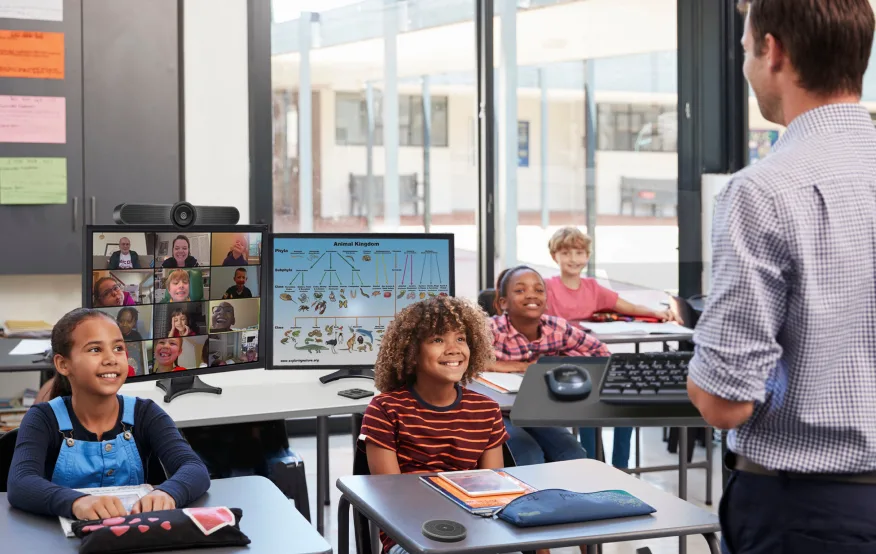
The model typically incorporates smart boards and interactive displays, high-speed internet connectivity, personal devices like tablets or laptops for every student, collaborative learning stations where small groups work together, and adaptive learning software that adjusts content based on each student’s progress. What pulls all of this together isn’t the technology itself — it’s the intentional design behind how these tools are used.
The Vision Behind It
Every meaningful change in education starts with a vision, and this one is no different. The driving idea is straightforward: learning should be accessible, engaging, and genuinely future-oriented. Not future-oriented in a vague, marketing-speak kind of way, but in the very practical sense of preparing students for careers and challenges that didn’t even exist a decade ago.
In this model, digital literacy isn’t a separate subject — it’s woven into everything. Students learn to collaborate across platforms, analyze data, communicate their ideas clearly, and adapt to new tools quickly. These are the skills that employers consistently say they struggle to find in new hires. This framework addresses that gap head-on.
Teachers in this setup aren’t diminished by technology — quite the opposite. With real-time analytics showing which students are struggling and which are ready to move forward, educators can make smarter decisions about pacing, grouping, and intervention. The vision isn’t a classroom run by machines. It’s a classroom where human teaching is made sharper and more impactful by the tools supporting it.
Key Features of Classroom 30x
Technology Integration
One of the most defining characteristics of classroom 30x is how deeply technology is embedded into the everyday experience — not as an add-on, but as a core part of instruction. AI-powered learning platforms can identify patterns in student performance that no human teacher could track across thirty students simultaneously. Virtual learning tools make it possible to take a history class to ancient Rome or walk through a human cell in three dimensions. The experience isn’t just more interesting — it’s more memorable, and memory is the foundation of learning.
Flexible Learning Spaces
Rigid rows of desks facing a chalkboard belong to a different era. This model embraces flexible, adaptable spaces where the furniture and layout shift based on what the lesson demands. Sometimes students need to sit in small circles for a debate. Other times they need individual focus stations for independent work. The environment responds to the learning rather than constraining it — and that flexibility alone changes the atmosphere of a classroom in ways that are immediately noticeable.
Personalized Learning
No two students learn the same way or at the same pace, and traditional classrooms have always struggled with that reality. This framework takes personalization seriously. Adaptive software tracks where each student excels and where they need more support, then adjusts the material accordingly. A student who has already mastered a concept moves on to something more challenging rather than sitting through a review. A student who needs more time gets it without embarrassment or disruption to others. It’s a more human approach, ironically made possible by technology.
Collaborative Tools
Collaboration isn’t just a buzzword here — it’s a structural feature. Shared online platforms, digital whiteboards, and project-based assignments require students to work together, negotiate ideas, divide responsibilities, and present findings as a team. These experiences build interpersonal and professional skills that no multiple-choice test can measure but that matter enormously in real life.
Benefits of Classroom 30x
Enhances Student Engagement
Students disengage when learning feels irrelevant or passive. This model solves that by making participation the default mode rather than the exception. When a student is actively solving a problem, collaborating with classmates, or seeing their progress on an adaptive platform, they’re genuinely invested. That engagement isn’t just more enjoyable — it produces better outcomes. Research consistently shows that active learning leads to higher retention and deeper understanding than passive listening ever could.
Prepares Students for Future Careers
The job market of 2026 and beyond demands fluency in digital tools, comfort with collaboration, and the ability to think critically under pressure. These aren’t skills you can bolt on at the end of a school career. They need to be built over time, in environments that practice them daily. This approach creates exactly those conditions, giving students a genuine head start rather than a last-minute scramble.
Promotes Critical Thinking
When students are asked to analyze, question, and build arguments rather than memorize answers, something important happens: they start to actually think. The structure here is built around inquiry and problem-solving. Students encounter real-world scenarios, work through uncertainty, and develop the mental habits that define genuinely educated people. That’s a far more valuable outcome than the ability to recall facts under exam pressure.
Increases Accessibility
Every classroom has students with different learning styles, different home environments, and different starting points. This model doesn’t flatten those differences — it accommodates them. Digital tools make it easier to support students with learning disabilities, language barriers, or gaps in prior knowledge. Content can be accessed at different levels, in different formats, and at different speeds, making quality education more genuinely inclusive.
Classroom 30x vs Traditional Classrooms
The contrast between classroom 30x and a traditional classroom isn’t subtle. In a conventional setup, the teacher talks and students listen. Assessment is mostly summative — a test at the end of the unit tells you what stuck and what didn’t, often too late to do anything about it. Seating is fixed. Pace is uniform. The student who grasps something in ten minutes waits for the student who needs thirty, and neither is particularly well served by that arrangement.
This model inverts most of those assumptions. Assessment is ongoing and formative, giving teachers real-time information to act on. Pacing is individualized. Collaboration is built into the structure of the day. The teacher circulates, observes, and intervenes with precision rather than broadcasting to the room and hoping it lands. The difference in energy between these two environments is striking, and the difference in outcomes is measurable.
How Teachers Adapt
Transitioning to this model isn’t something that happens overnight, and it doesn’t happen without support. Teachers who thrive in these environments tend to share a few common traits: they’re curious, comfortable with technology, and genuinely interested in their students as individuals rather than as a group to be managed.
That said, professional development is non-negotiable. Teachers need time to experiment with new tools, observe what works, and build new habits around facilitation rather than instruction. Schools that invest in this support — through coaching, collaborative planning time, and ongoing training — see the strongest results. Those that simply hand teachers a set of devices and expect transformation are usually disappointed. The technology is only as powerful as the pedagogy behind it.
Challenges to Consider
Honesty matters here. This approach isn’t without its complications, and pretending otherwise doesn’t help anyone.
The cost of implementation can be significant. Smart boards, devices, high-speed internet infrastructure, and software licenses add up quickly, and not every school has equal access to those resources. This creates a real risk of widening the gap between well-funded and under-resourced schools rather than closing it.
Teacher training takes time and sustained investment. A one-day workshop isn’t enough. Meaningful change in teaching practice requires ongoing institutional commitment that isn’t always easy to secure.
There’s also the question of over-reliance on technology. Screens aren’t a solution to every educational challenge, and thoughtful implementation means knowing when to put the devices away and have a genuine human conversation. The strongest implementations understand this balance well.
The Future of Education
The trajectory is clear. As artificial intelligence becomes more sophisticated, adaptive learning platforms will get better at personalizing instruction in real time. Virtual reality will make immersive simulations a routine part of the school day rather than a novelty. Global connectivity will allow students in different countries to collaborate on projects together, building cross-cultural competencies alongside academic skills.
This isn’t a destination — it’s a direction. The specific tools will keep evolving, but the underlying principles of engagement, personalization, collaboration, and student agency are durable. Schools and universities that embrace this direction now are positioning their students for genuine long-term advantage.
Conclusion
Classroom 30x represents one of the most meaningful shifts in education in generations. It takes everything we know about how people actually learn — through doing, discussing, questioning, and collaborating — and builds an environment designed to support all of it. Technology enables the model, but the heart of it is deeply human: teachers who care, students who are genuinely engaged, and a shared commitment to making learning matter.
Yes, the challenges are real. Implementation takes resources, time, and institutional will. But the alternative — sticking with a system designed for a world that no longer exists — carries its own very serious costs. The schools embracing this model today aren’t just preparing students for the future. They’re building it.
