
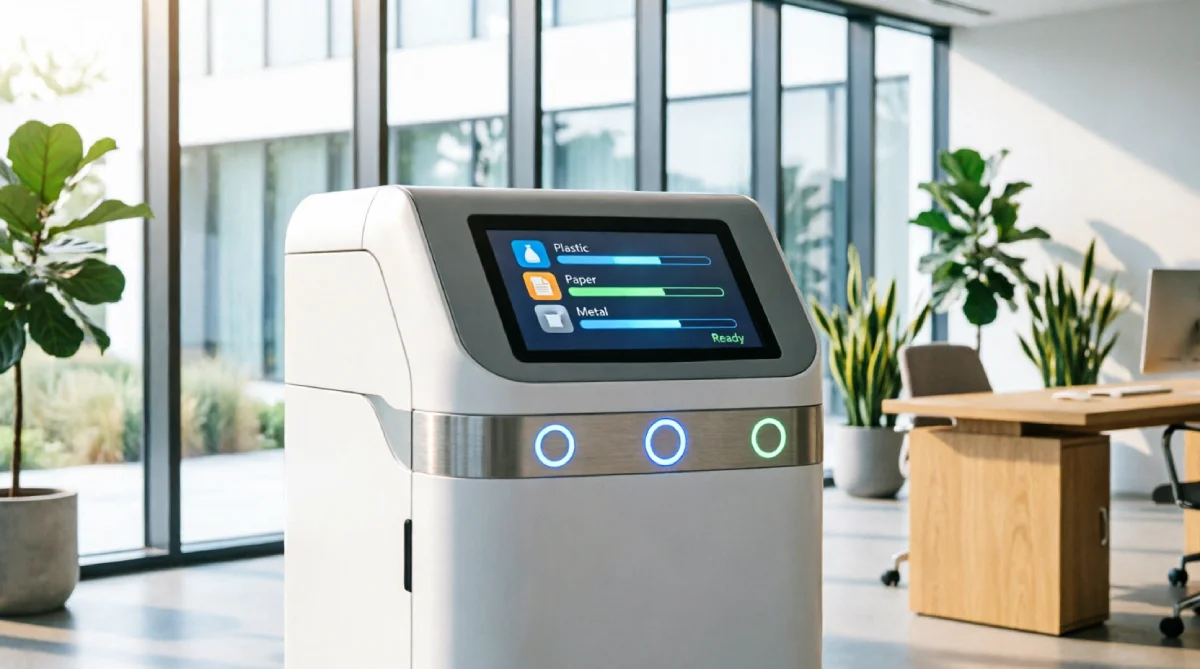
MataRecycler is a website that is for every user and our entire planet, in an easy and accessible way of recycling, waste reduction, and eco-friendly living. It provides practical guidance and salient facts for families, schools, and communities to adopt green behavior. This article gives specifics on the MataRecycler’s utilities and the ways in which everyone may utilize it as it involves our environment.
What Is MataRecycler?
MataRecycler is a knowledge base that covers topics such as how energy can be conserved through recycling, waste management solutions, and sustainable living. The project is not about collecting rubbish. It gives simple and clear information purchasable by anyone. The main idea is to guide people on how to do proper recycling, minimize waste, and pick the eco-friendliest products.
Why Recycling Matters
Recycling refers to processing discarded materials into new objects. This results in considerable conservation of energy, water, and raw materials that are taken from nature. In fact, doing this also saves on landfill area which contains chemicals such as methane which are produced when organic matter rots down.
- The total energy saved by recycling aluminum is 95 %, compared to aluminum extraction from ores.
- Recycling one ton of paper can presumably save around 17 trees and approximately cure more than 100,000 gallons of water.
- Glass can be recycled over again without any loss of quality.
Decreasing methane emissions, which helps slow down global warming, is among the benefits of recycling.
Ways to Recycle at Home: Step by Step Guide
1. Sort Your Waste
Assign separate vessels for paper, containers, and trash. Invoice a bucket for food scraps if possible as this will be used in making compost.
2. Give It a Nice Wash
Rinse out cans, jars, and bottles. Allow them to dry off. Clean products, such as this, preserve other recyclables and their quality is not affected.
3. Keep Up with the Local Rules
Rules vary depending on the city. Generally, municipalities accept paper, cardboard, tin cans, and plastic bottles and jugs. In some areas where glass is not acceptable at the curbside, the city or waste company guide should be checked.
What Is Poised To Go In The Recycling Bin
Paper and Cardboard
Sort clean papers, mail, newspapers, cereal boxes, and shipping boxes for recycling. Crush large boxes for recycling in limited space. Do not recycle soiled pizza boxes or papers that are wet.
Plastics
Most of the curbside programs will take the PET bottles and HDPE jugs that mostly bear the numbers 1 and 2. Clean these then add lids only if your collectibles allow it. Aprons and plastic wraps are mostly not curbside recycling bin items as they do tangle the recycling machines thus proper disposal areas should be taken advantage of.
Metal Containers
Aluminum beverage cans and the necessary steel food cans that are demanded are also the most commonly accepted. Washing them before recycling is the best practice. Metal can be recycled numerous times, yet it remains durable and strong.
Glass Bottles and Jars
Many localities accept glass, but there are some that call for special deposit spots. Clear glass is washed. If it is necessary one can take off lids. Do not throw loose pieces of glass into the bin unless your city has a policy in place that allows it.
E-Waste (Electronics and Batteries)
Old cell phones, computers, cords, and batteries are items that should not get into the garbage truck or curbside bin. These devices can leak acids, catch fire and cause other hazards. You may use e-waste and battery recycling drop-off programs in your city.
Reduce, Reuse, Recycle and Rot (Compost)
Recycling is a good thing, but reusing and reducing are preferable. Composting is turning food scraps into rich soil which is also an impressive way.
Reduce
Pick the stuff that is less packed. The best way to do it is to start using a reusable bottle and having your snacks packed in a lunch box when going for a shopping spree. Buy only what is needed and the most durable items should be chosen.
Reuse
Storeuse containers again. Fix simple items instead of throwing them away the moment they are broken. Some clothing, toys, and books that still occupy have been recycled.
Recycle Right
Wipe-clean, dry, and empty the items. When in doubt, don’t recycle it. Check the list they give you! Put the ones coming from the grocery store freely in the can if and only if this is the rule in your area.
Rot (Compost)
Make your pan with potato peelings, vegetables, coffee, and garden waste that is then put into the yard waste compost. As such compost makes plants’ food so they grow.
Composite materials block the sun’s rays, which then helps to fight against global warming. Sometimes cities organize pickups or residents can get a home composting bin.
Recycling at School and in the Community
It is better when everybody gets involved. A school can have places for the labeled bins to stay in their classrooms and cafeterias. Simple contests may teach students how to sort properly. Communities may come up with cleanup days, fixing events, and swap days that will keep goods in use longer.
Digital Sustainabilitys
The moment when there is no work to be done, devices should be turned off.
- With the help of a lower brightness screen saves electricity.
- After using chargers, one should unplug them from the power source to prevent accidents.
- To decrease the energy used in data storage, backup files and delete old copies.
Major activities should include using the devices for so long and repairing them by all means.
Common Recycling Mistakes to Avoid
Clean the containers first, such as food and drink, and then recycle them, as they will contaminate the paper and cardboard otherwise.
- The recycling center doesn’t handle plastic bags well. They can get caught in the machinery. Better drop them off at recycling stations designed for them.
- Greasy paper should be thrown out, greasy pizza boxes, and napkins should be in the trash or compost pit. Include them in the right place, not in recyclable waste.
- The problem with hoses, wires, and ropes is that they can inconvenience machinery. Keep them out of the curbside bins.
Throw them into the battery collection bins instead. When people discard these batteries into bins, they may accidentally start fires.
How MataRecycler Helps Learners
There are several communication strategies that contribute to successful communication and effectiveness. MataRecycler has developed easy and convenient tools that include checklists that fit the existing conditions, teaching tips, and step-by-step how-tos.
Among the topics are: how best to sort garbage, what can be deposited from schools to landfill, how to compost safely, and ways to deal with e-waste and batteries.
The language used in communication with the kids, as well as the parents and the teachers, is kept simple, therefore they will understand the instructions and act almost immediately afterwards.
An Easy Plan
Get three trash bins, one for every purpose: recyclables, trash, and compost (composting should only be if you really have this option). Put them all in one place if you have the room and appropriately label them.
- A fast headline near the trash cans that explains to the visitors what the right type of waste is to throw away where.
- Wash out all cans, bottles, and glass jars. Flatten the cardboard.
- Bring your water bottle and bag every day. First, buy only what you can recycle or compost.
- Periodic review of the recycling schedule. Discussion is required for different rules from one time to another.
Quick Facts for Strong Recycling
- Aluminum: It can save up to 95% of energy if recycled.
- Recycling one ton of paper can save about 17 trees and water usage as big as 100,000 gallons.
- Glass: Derogable for extra use.
- Plastics: The most commonly recycled items are bottles and jugs. (1-2).
- Contamination: Even a single contaminated item can spoil an entire batch of paper.
Conclusion
MataRecycler is a resource that provides clear content with factual information and concrete suggestions that engender the required skills of separating waste, using local practices, and saving environment. By applying basic techniques such as sorting, cleaning, and local regulations, you can lead your homes, schools, and communities to cause of less trash, energy-saving and nature conservation. Do not wait for big things to happen. They are the end result of a series of daily practice activities, large and small, that everyone can do to help the planet be cleaner and healthier.
FAQs
Do the same list of items apply to every city?
No. Each city may have a unique list, so it’s better to check the local guide for the most appropriate advice.
Should the containers have lids on them or not?
There are actually a variety of storing practices. However, empty cans with closed lids will be the best option. So, it is easy to follow local procedures.
Can entire pizza boxes be recycled?
Just wash the clean portions of the pizza boxes. Greasy parts can contaminate paper. Pulloff and recycle only the clean part of the lid.
What should be done with batteries?
It is best if they are placed at designated drop-off spots rather than left in the trash or mixed with recyclables.
